
Cricket marketing · 3 min read
Cricket brand permissions: a marketing approval checklist
Map logos, imagery, footage and partnership descriptions before producing cricket-related commercial material.
By Muntery Strategic
Identify every asset you plan to use
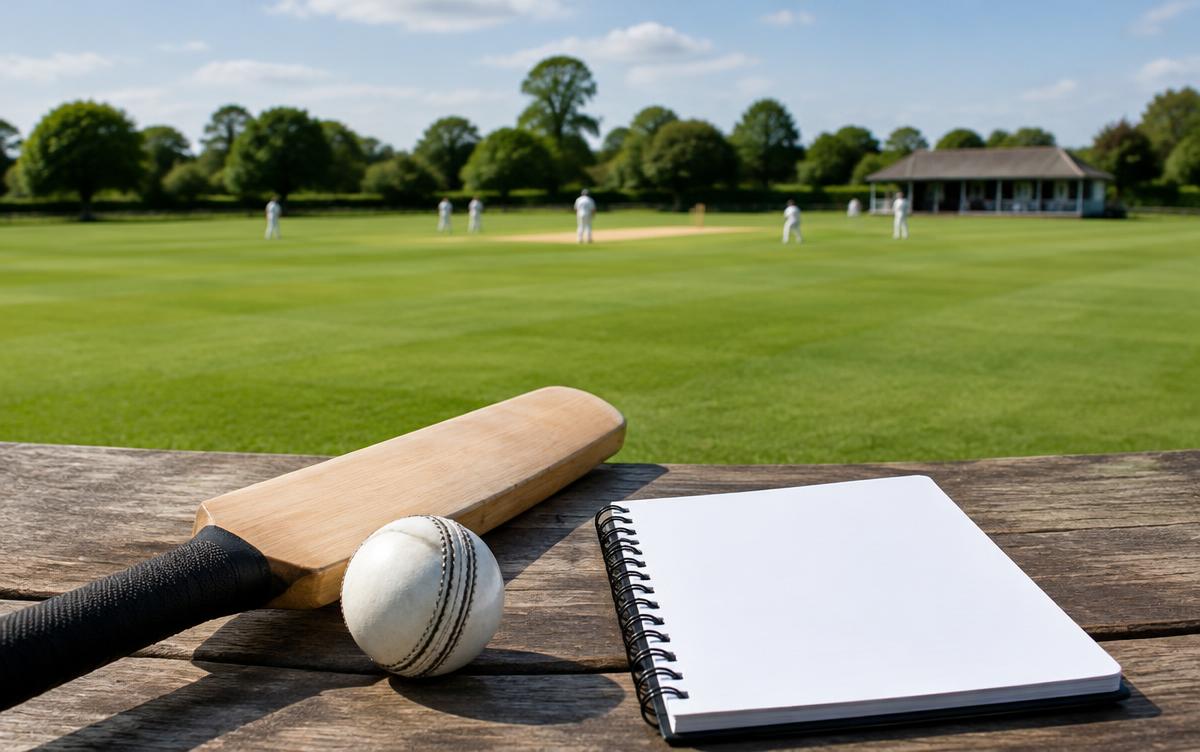
A cricket-themed campaign can contain several separate rights: a club logo, competition name, player photograph, venue image, match footage and sponsor designation. Permission for one does not establish permission for the others. Build an asset register before creative production, not after a supplier asks for final artwork.
For each item, record its source, apparent owner, intended use, territory, channels and duration. Include paid advertising and sales presentations as separate uses where appropriate. An image available online is not automatically licensed for commercial reuse, and a screenshot does not remove the need to assess the underlying rights.
Understand what official guidance can establish
The ICC’s 2023 World Cup brand and content protection guidelines discuss proprietary names, marks and match footage for that event. They are useful evidence that these assets are actively managed, but they are historical, event-specific guidance. They do not confirm rights for a different event or a current campaign.
The ICC website terms also address use of its website and materials. Neither document should be treated as a substitute for a licence covering your intended activity. Confirm the applicable current terms with the relevant rights holder and obtain qualified advice where ownership, exceptions or contractual interpretation remain uncertain.
Put permission into a usable workflow
Create a permissions tracker with requested use, approving party, written evidence, restrictions and expiry date. Store the approved asset version beside the approval record. Give designers a clear instruction when permission is pending: use a neutral placeholder rather than a recognisable mark that may accidentally reach publication.
For illustration, a local sponsor might have permission to describe itself as a supporter of a named club on one webpage for one season. That does not necessarily permit an official tournament claim, a player endorsement or a paid campaign using match footage. The agreement must answer those questions explicitly.
Check the impression, not only the wording
Review the overall presentation for implied official association. Colours, layouts, imagery and prominent competition references can create an impression beyond the literal sentence. A small disclaimer is not a reliable cure for an otherwise misleading design, and legal clearance should not be reduced to adding one automatically.
Schedule checks before publication, after revisions and at expiry. Include agencies, printers and media buyers in the approval chain. Muntery Strategic should describe these as practical risk controls, not legal guarantees or evidence of endorsement. When permission cannot be confirmed, redesign around original, appropriately licensed material instead.
Sources & further reading
Put the plan to work.
Explore the related service from Muntery Strategic.
Explore the service